What the Hands Remember
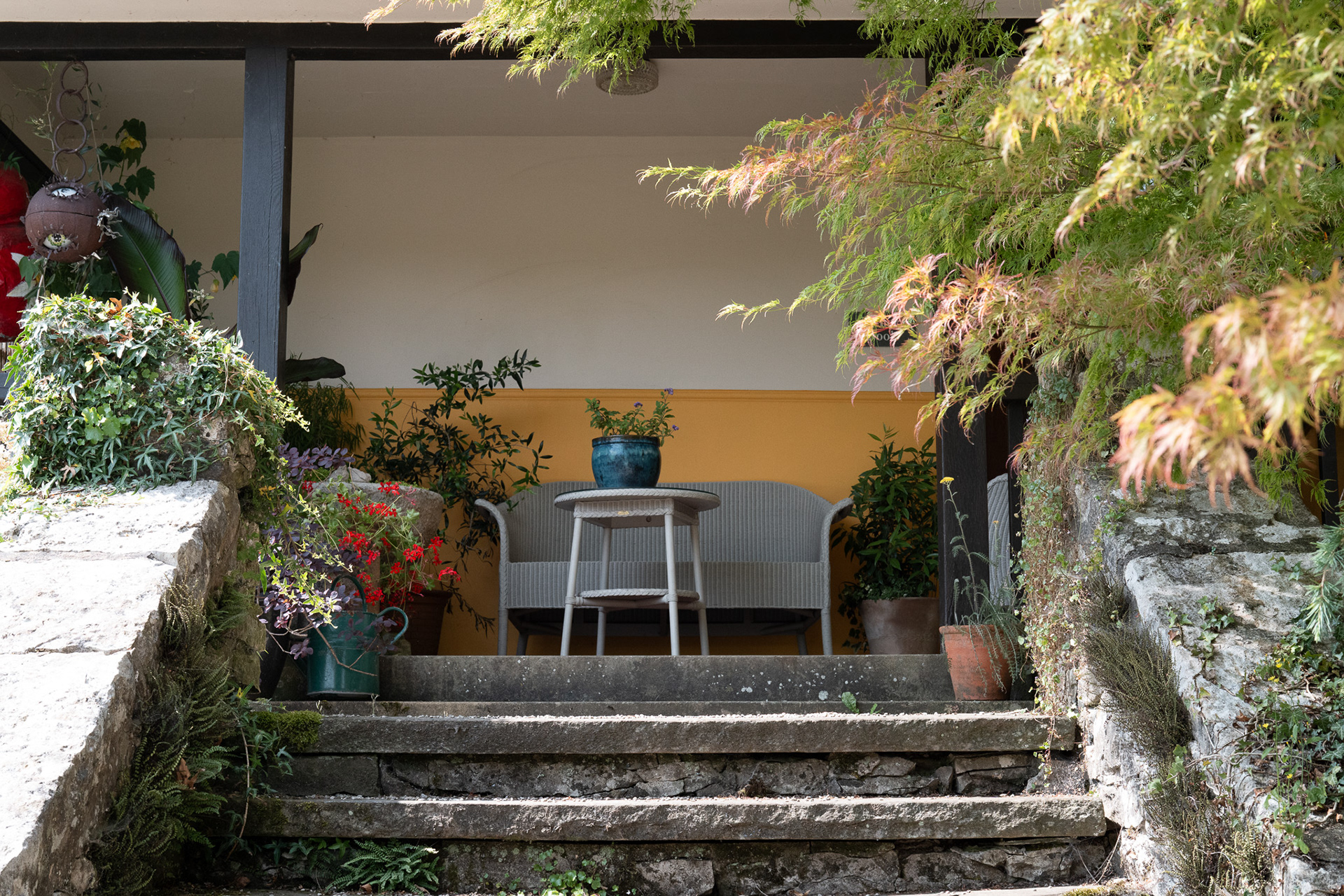
Emma trained as a city architect before turning her attention to the Lake District. At her home near Kendal, she is creating a new garden around an Arts and Crafts house, planting it with the same instinct for structure and rhythm that once shaped buildings. The planting is still finding its form; young borders promise what they will become, while woven willow structures already sit comfortably among them, as though they have always belonged.
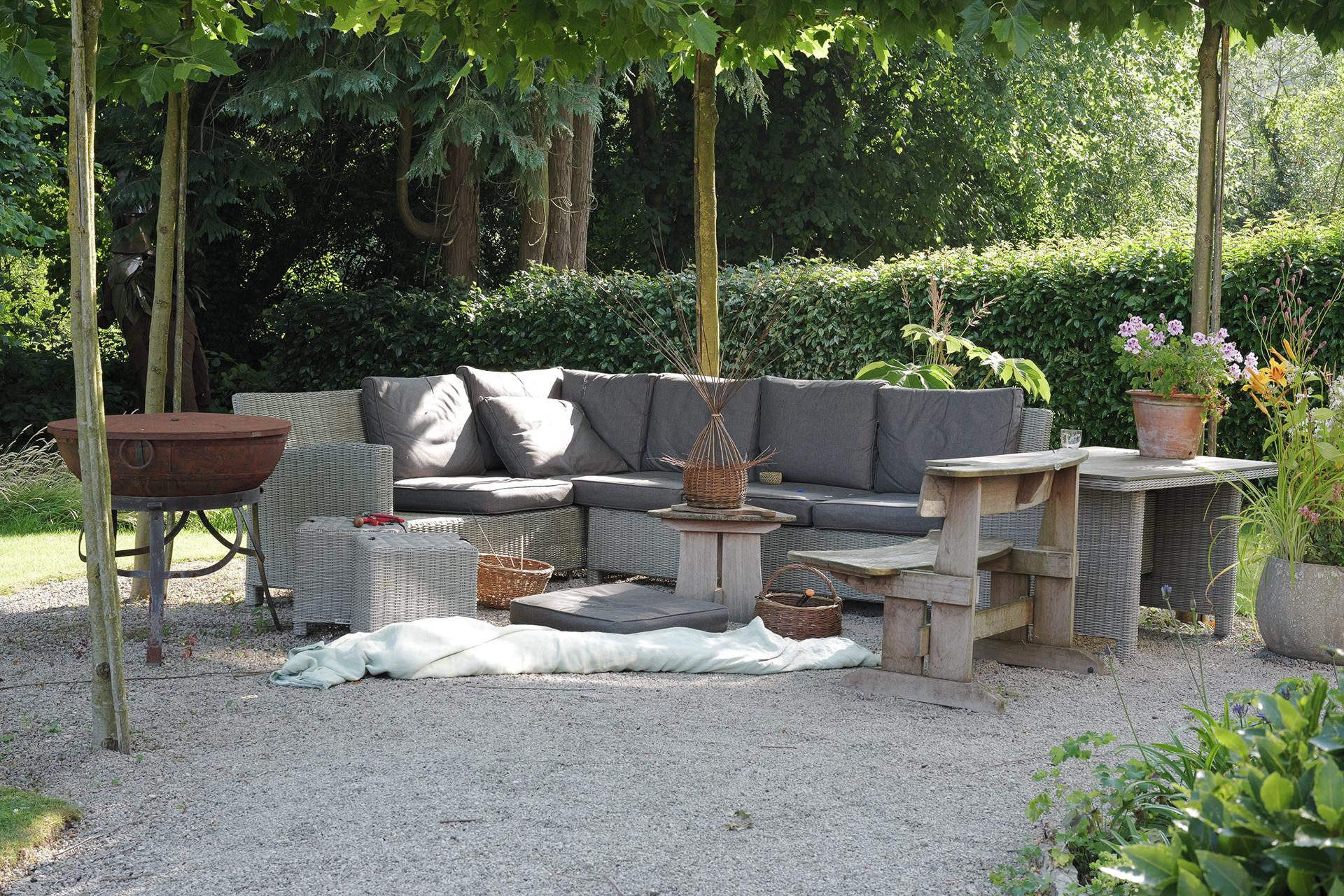
It is here, outside in the garden, that we spend the afternoon.
Bundles of British willow lie beside a handful of simple tools: a sharp knife, a bodkin and secateurs. Everything needed to transform a bundle of rods into a basket can be carried in a small bag. The real tools are the maker's hands.

Basket making is one of humanity's oldest surviving crafts. Long before clay was fired into pots, people were weaving vessels from the plants growing around them. Across Britain, evidence of woven basketry reaches back into the Iron Age and Celtic world, while the tradition itself stretches much further into prehistory. Most of those baskets have disappeared, returning to the earth. What remains are traces: impressions in the archaeological record, fragments preserved by chance, and the embodied knowledge carried from one generation of makers to another.
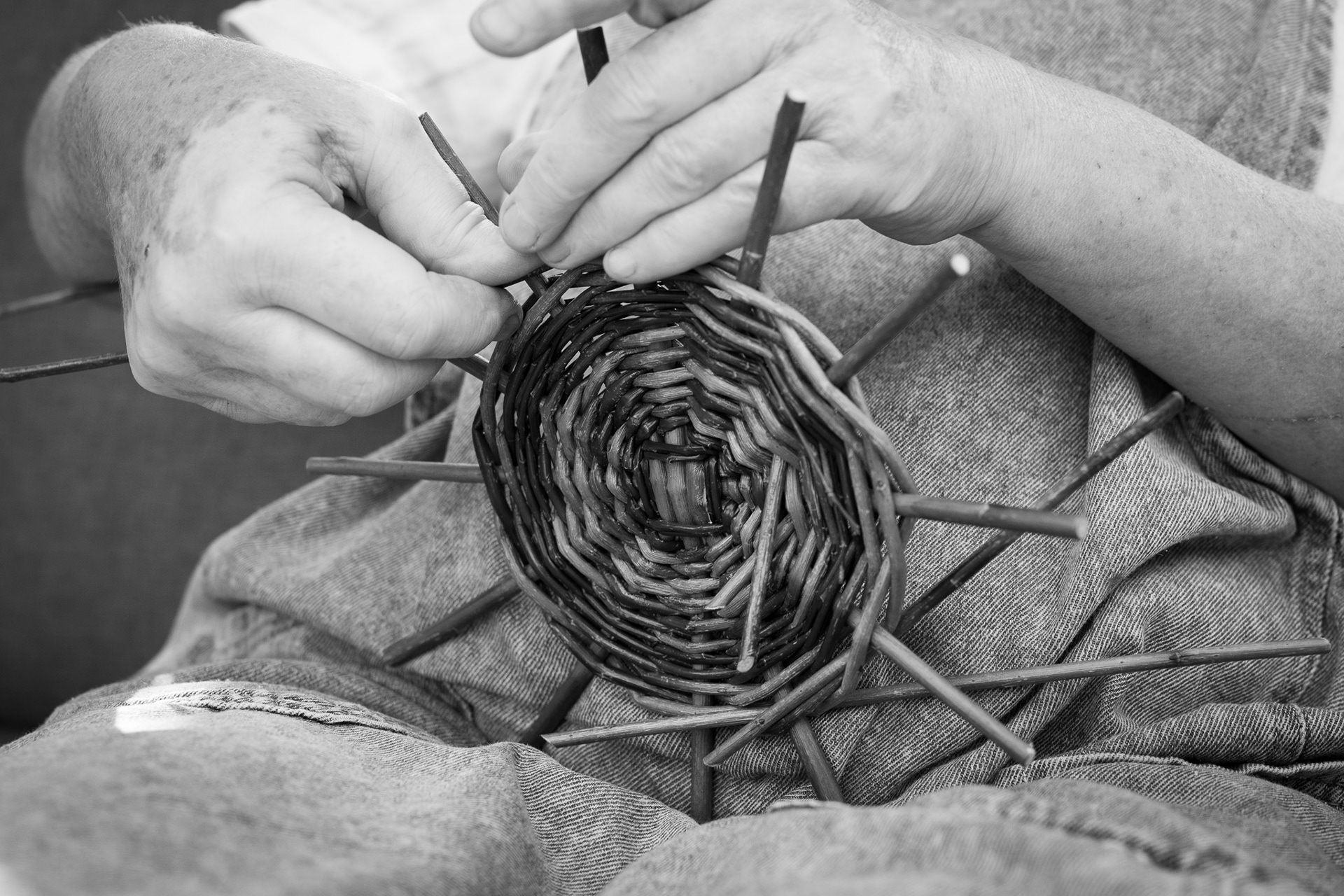
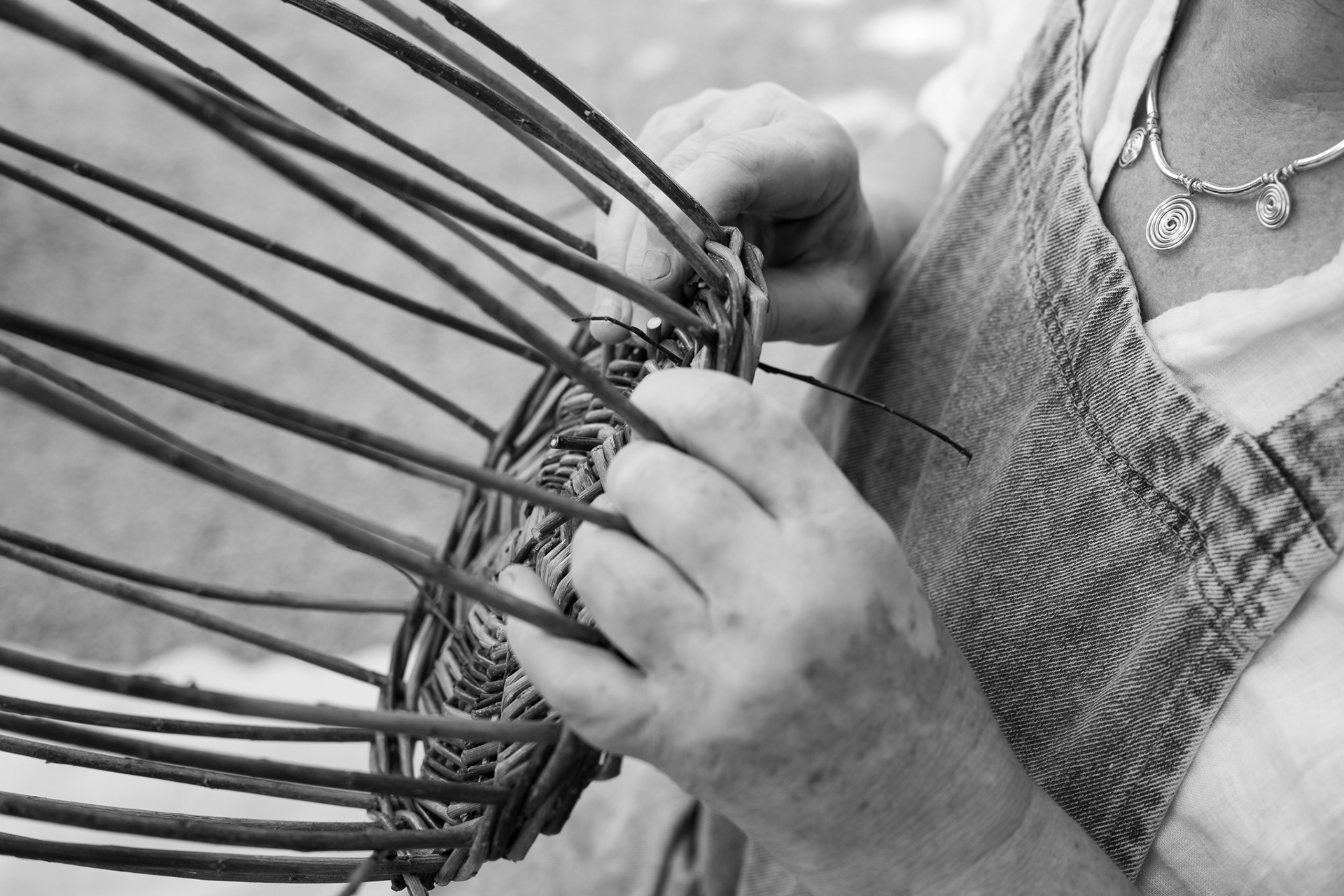
Watching Emma weave, it becomes impossible not to think about those absent makers. The basket grows through touch alone. Willow is soaked until supple, then bent, twisted, folded and coaxed into shape. Hands measure, judge and correct without calculation. Strength and delicacy exist together. Every movement is learned through repetition until it becomes instinctive, held not in words but in the body itself.

The work is unexpectedly physical. Fingers pull against the resistance of the willow, thumbs lock each strand into place, palms press the form into balance. The maker is constantly negotiating with the material. Nothing is forced. Each decision is made in response to what the willow is willing to do.
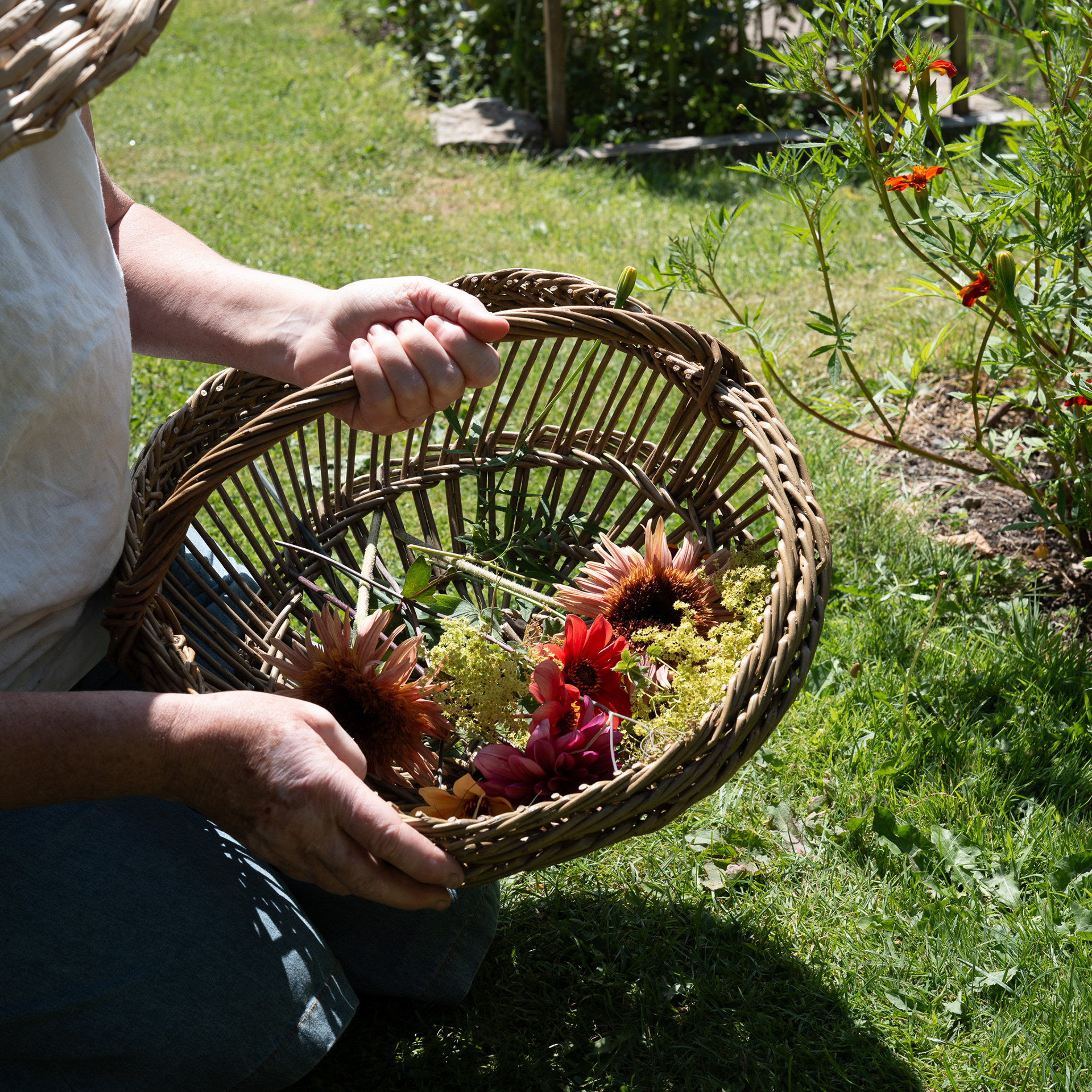
As the afternoon passes, the basket slowly appears. There is no single dramatic moment, it accumulates through hundreds of careful gestures until there is suddenly a complete vessel resting on the grass.

My own work often returns to questions of memory, absence and the traces people leave behind. Watching this process, I found myself thinking about the countless unnamed people who have woven baskets over thousands of years. Their names have largely disappeared from history. Yet the knowledge survives. Every contemporary basket carries echoes of those earlier hands.
Before I leave, Emma places a tiny pine needle basket into my hand. Perfectly stitched, it feels both fragile and enduring. Pine needle basketry has been practised for around 10,000 years, making it one of the oldest continuous making traditions known. Holding it is like holding a thread that reaches deep into human history.
Perhaps that is what moved me most. A basket is never simply an object. It is a record of touch. A container for memory. Proof that knowledge can outlive the people who first discovered it, carried forward through the simple act of one pair of hands teaching another.
For those wishing to spend more time in this landscape, Emma welcomes guests to stay at Hylands, where a collection of thoughtfully restored cottages sit within the gardens and grounds surrounding the house. It is a place shaped by craft, close observation and a deep connection to the natural world—where visitors can wander among the planting, watch wildlife from a quiet corner of the garden and experience the changing light and weather that inform so much of Emma's work. The cottages are a short walk from Kendal and within easy reach of the fells and lakes that have inspired generations of makers and artists.
More information about staying at Hylands can be found on Airbnb