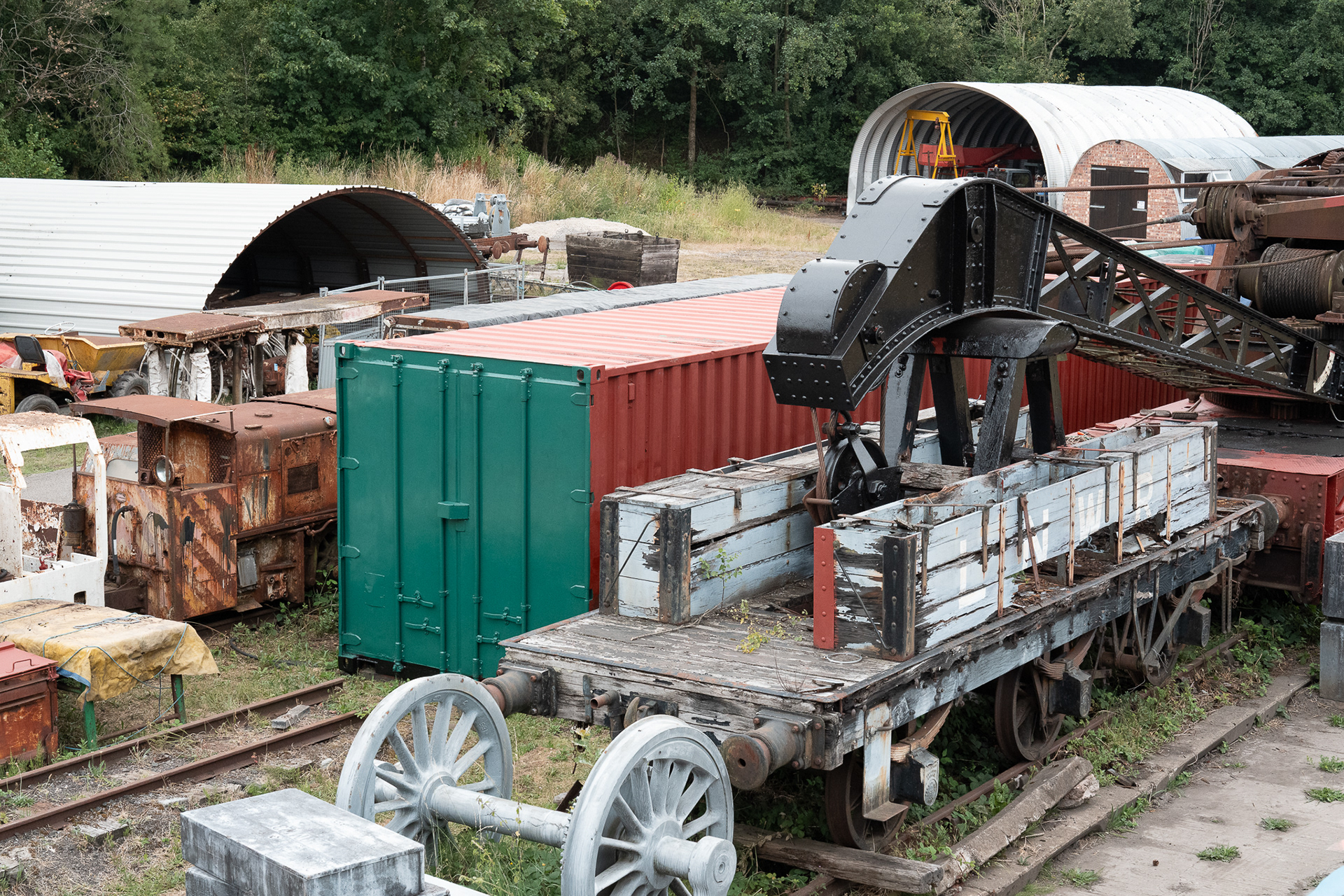
I had come to the Lancashire Coal Mining archive to meet Kelly, its curator. My intention was to photograph the collection and understand how an industrial landscape had shaped generations of families. Instead, our conversation wandered somewhere entirely unexpected. What is valuable enough to archive?
There are two kinds of archives.
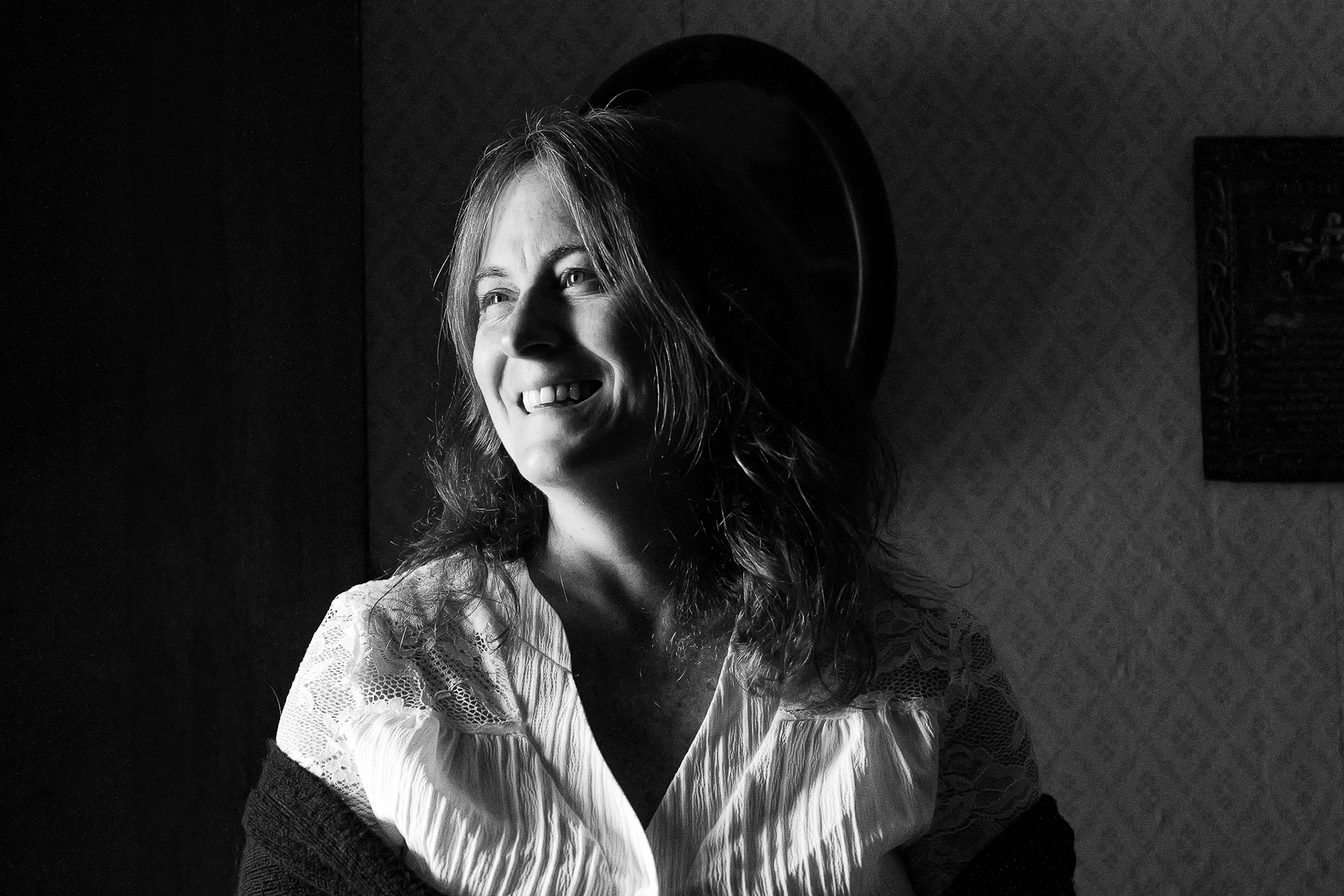
The first can be catalogued. It lives inside acid-free boxes and carefully labelled folders. It asks for white gloves and controlled temperatures. It preserves photographs, letters and objects so that history is not entirely lost.
The second has no shelves.
It lives in families. It is carried in stories told around kitchen tables, in recipes made without measuring, in the rhythm of a grandmother's voice, in places that continue to feel like home long after we have left them.
But what if we inherit more than stories? What if some memories are carried in ways we are only just beginning to understand? Could our bodies be keeping an archive too—one that science is only beginning to explore?
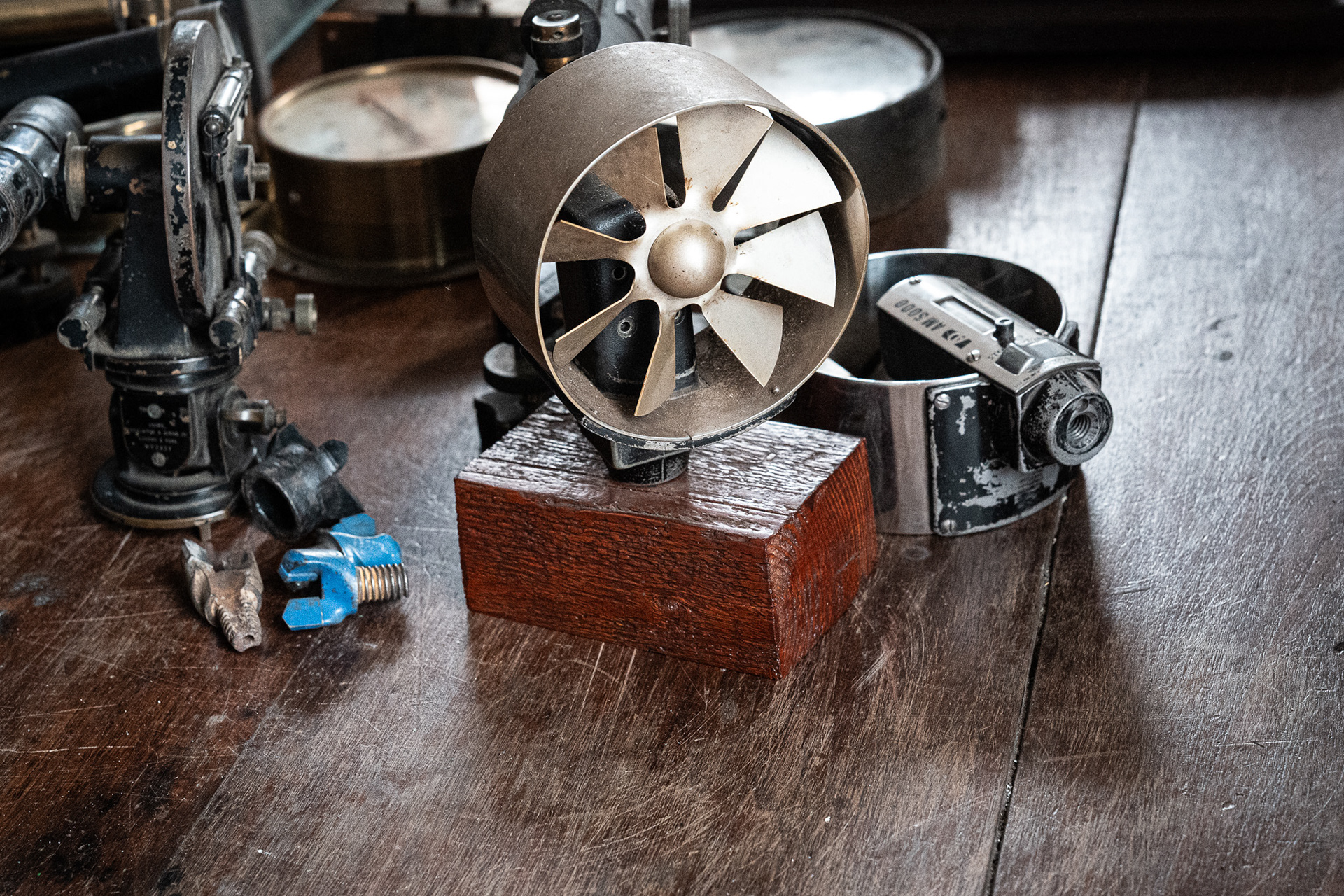
In recent years, science has given us a language for intergenerational trauma. Researchers working in the field of epigenetics are exploring how profound experiences—war, famine and extreme stress—may leave biological marks that influence later generations, although much remains to be understood. Alongside this, psychologists have long recognised that families pass on ways of coping, belonging and understanding the world through everyday life.
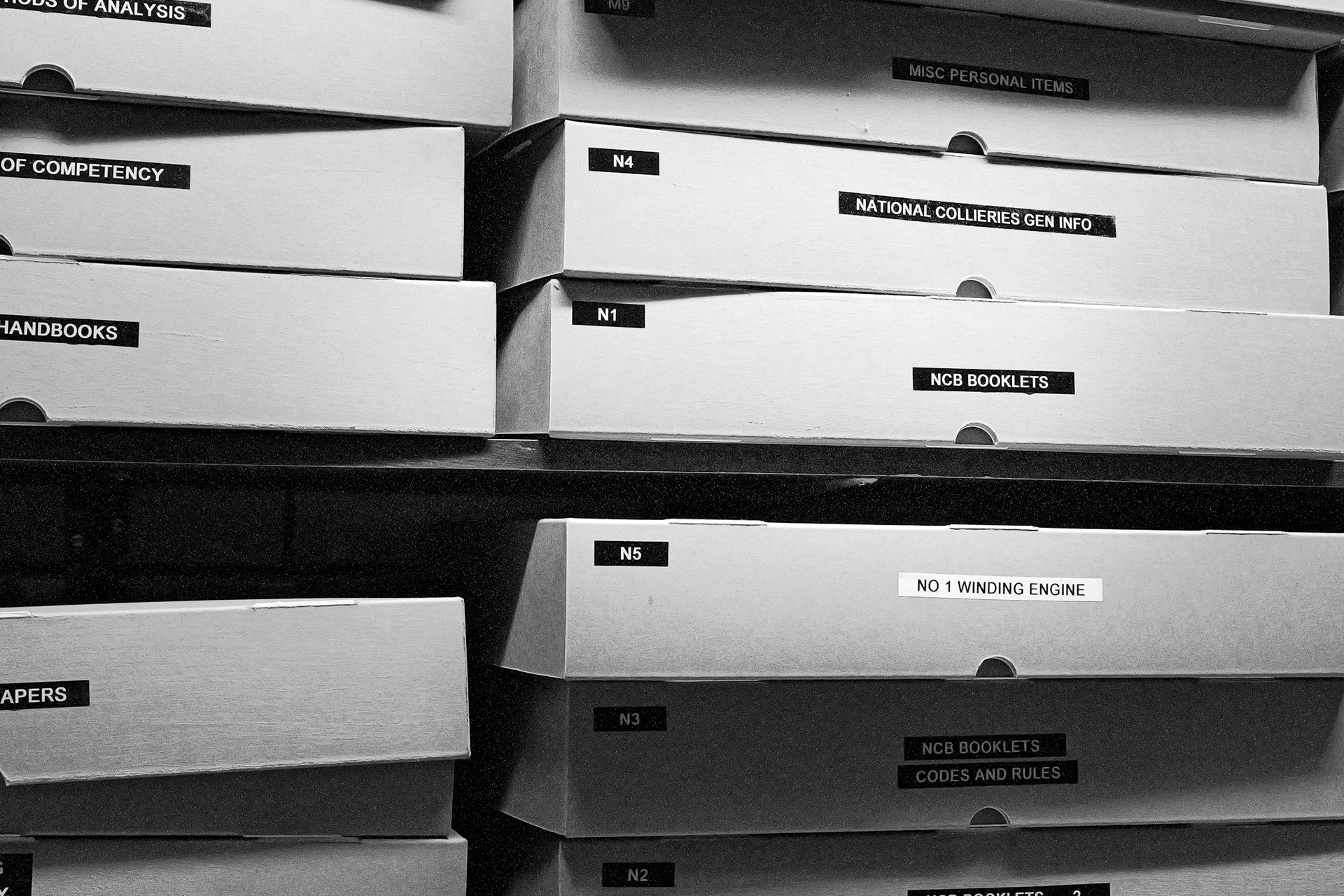
Kelly offered another way of seeing it.
"If trauma can be passed down," she said, "perhaps resilience can be too."
The sentence stayed with me and I returned to make this story.

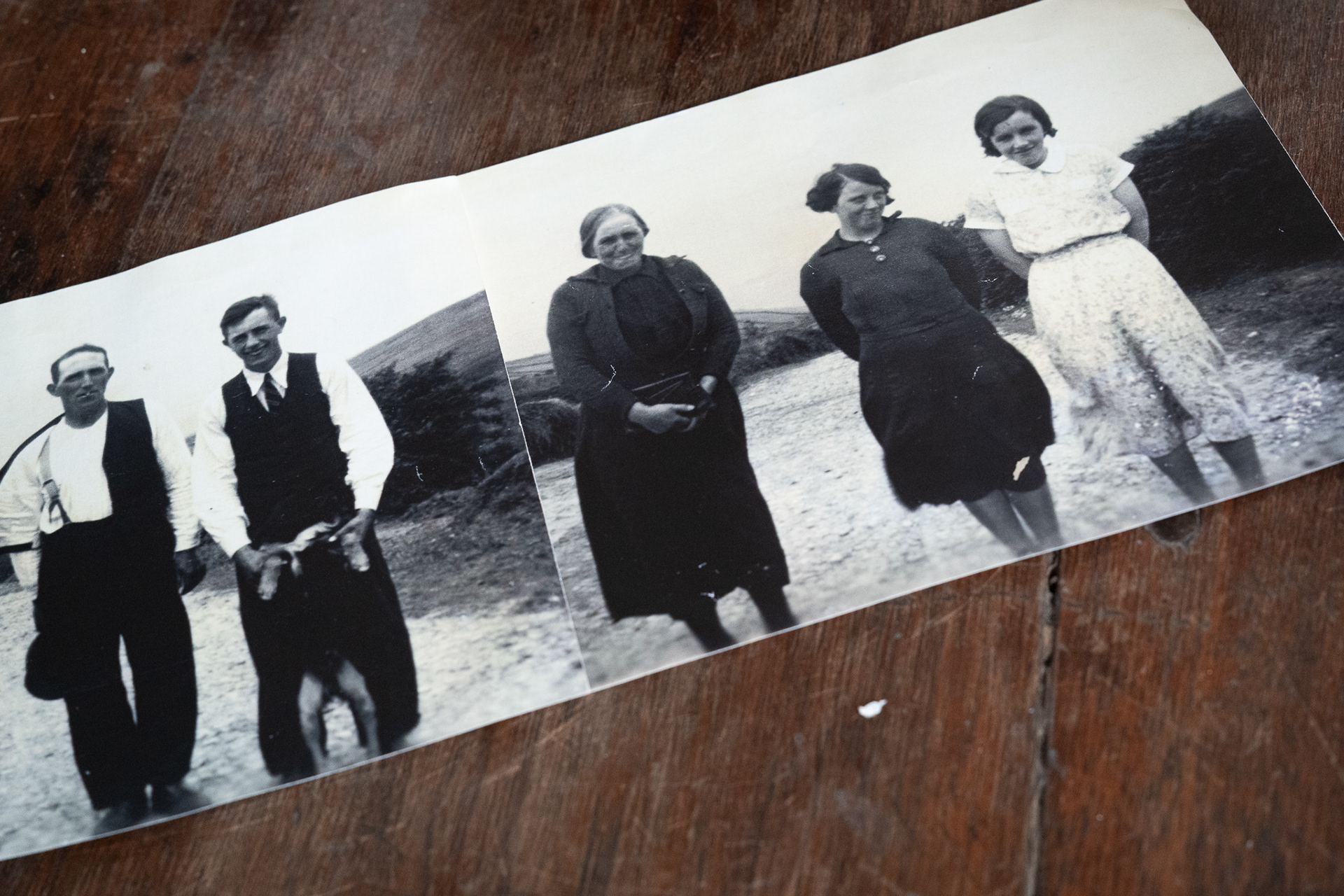

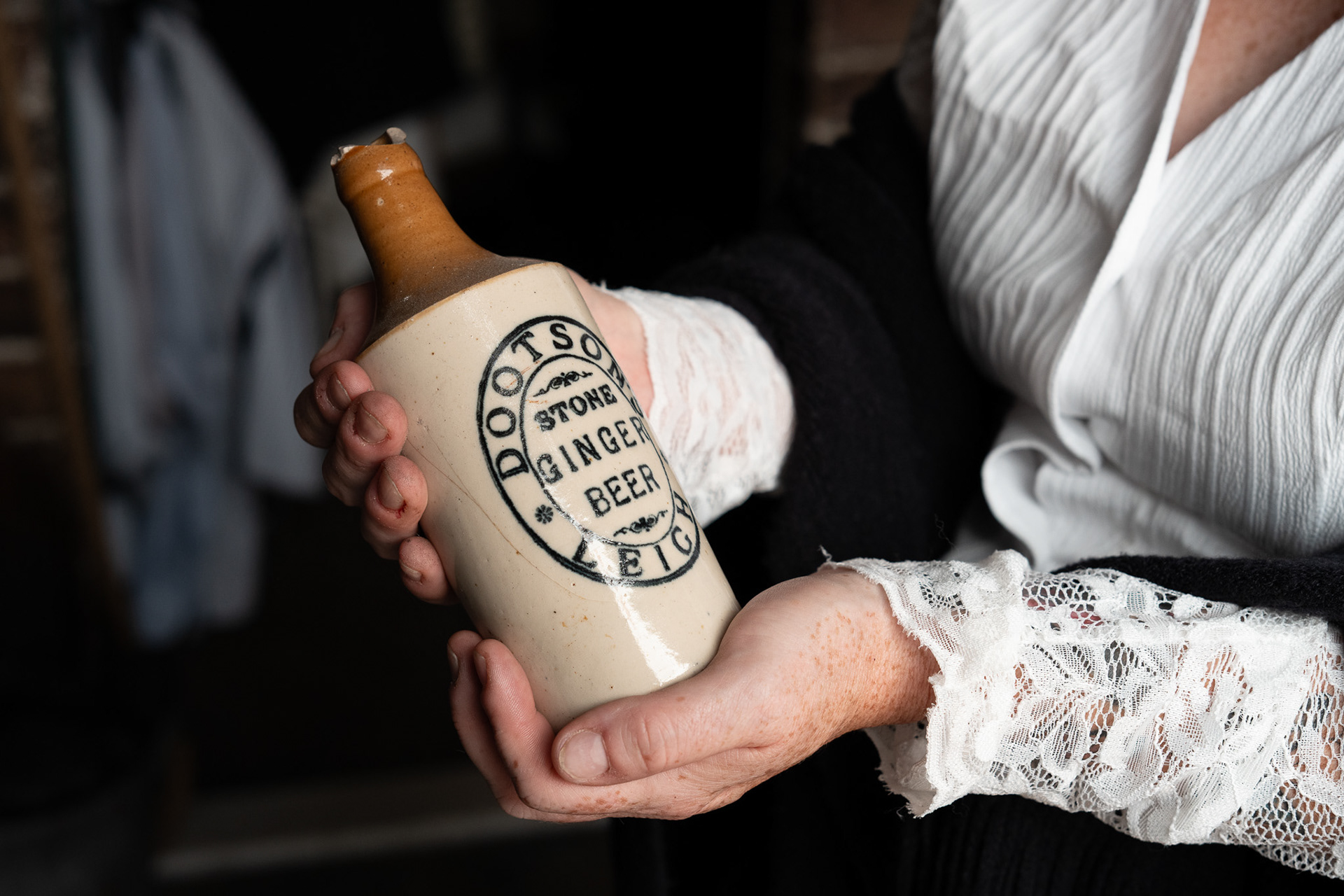
Kelly's Granny, Kitty, left Ireland to begin a new life in England. Newly married she and her husband rolled a dice to determine where to settle and it landed near this coal mine. When Kelly speaks about Ireland, she still calls it home. Not in the geographical sense, but as a heart space. A place carried rather than occupied.
As she shows me family photographs, I begin to understand what she means. Faces look back across decades with expressions that feel surprisingly familiar. They are not famous people. Perhaps they did not expect to be remembered beyond their own family. Yet within these small prints lies an inheritance that reaches far beyond likeness.
There is courage in them.
Not the dramatic courage that finds its way into history books, but the kind that crosses seas, begins again, keeps families together and makes a life from uncertainty.
It makes me wonder whether photographs hold more than appearances.
Perhaps they become vessels for stories that are retold so often they begin to shape the generations that follow. Perhaps resilience is remembered not only through biology, but through repetition. Through love. When we face challenges perhaps we need to hear who came before us and how they endured.
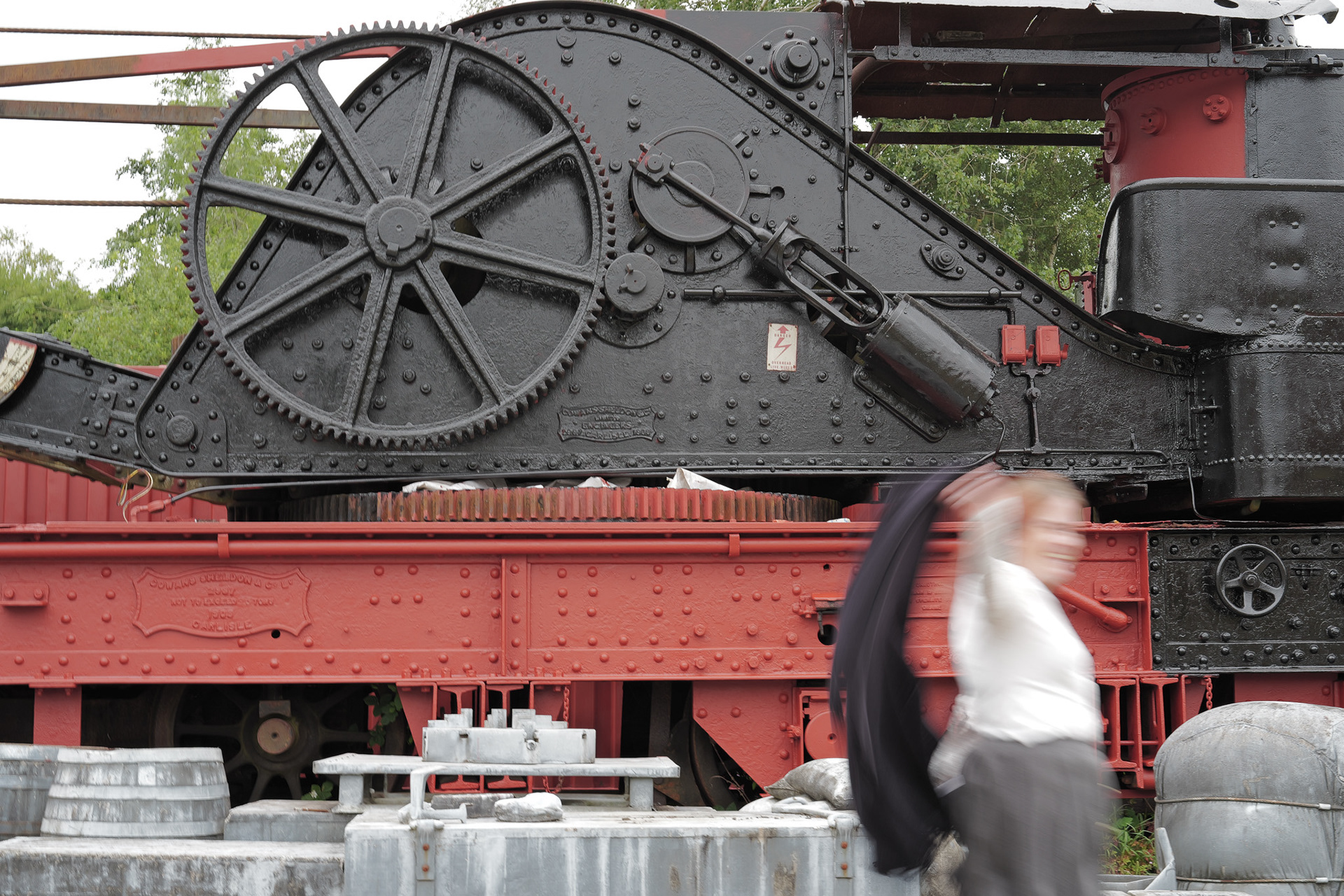
The archive surrounding us preserves the history of the mine with extraordinary care. Every document has its place. Every object has a catalogue number. Together they tell the story of labour, industry and community.
Yet there are things no archive can fully contain. The feeling of belonging to a place that exists as much in memory as on a map.
Leaving, I find myself thinking less about the boxes I have photographed than the invisible archive Kelly described. One carried from Ireland to England. From grandmother to granddaughter. From one generation to the next.
Perhaps that is where history truly lives.
Not only in the records we preserve, but in the strengths we continue to carry.
More information about the Lancashire Mining Museum which is free to visit.